Switzerland's Regional Banking Networks and Their Impact on Unlocking Reel Incentives for Portable Gaming Devices
Otto Richter · Oct 20, 2026
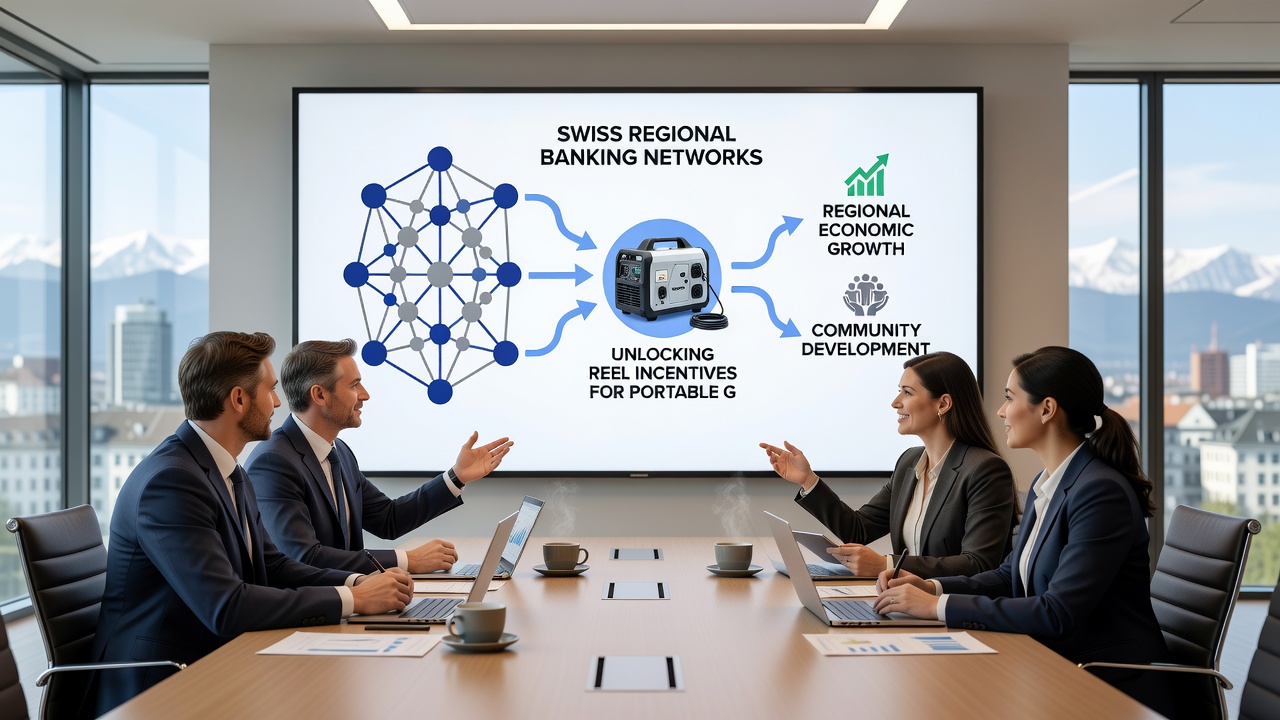
Switzerland's Regional Banking Networks and Their Impact on Unlocking Reel Incentives for Portable Gaming Devices
Switzerland maintains a decentralized banking structure built around cantonal banks, Raiffeisen cooperatives, and smaller regional institutions that handle local transactions with efficiency and regulatory compliance. These networks operate alongside major players like UBS and Credit Suisse, yet they focus on serving specific geographic areas where community ties influence payment processing speeds and verification methods. Data from the Swiss National Bank shows that regional banks processed over 40 percent of domestic electronic transfers in recent years, which creates direct pathways for users seeking to connect financial accounts with approved digital services including mobile gaming platforms.
Regional Banking Infrastructure and Transaction Flows
Cantonal banks such as Zürcher Kantonalbank and Banque Cantonale Vaudoise maintain localized systems that integrate with national clearing houses while offering tailored mobile banking apps. These institutions support instant payment confirmations that align with the timing requirements of online platforms offering reel-based incentives on portable devices. Observers note that users in rural cantons often rely on these regional providers because branch networks remain dense and transaction fees stay competitive compared to international alternatives. Research from the University of St. Gallen indicates that regional banks complete SEPA-equivalent transfers within Switzerland in under two hours on average, a metric that supports seamless funding of gaming accounts when operators accept local payment rails.
Regulatory Oversight and Payment Verification
The Swiss Financial Market Supervisory Authority (FINMA) sets standards that regional banks follow when verifying customer identities for cross-border or digital transactions. In October 2026, updated FINMA guidelines emphasized enhanced due diligence for recurring small-value payments, which directly affects how gaming operators receive and process deposits from Swiss users. Regional banks adapted by implementing API connections that allow real-time status checks without exposing full account details. This approach satisfies both banking secrecy laws and the transparency demands of licensed gaming platforms that distribute reel incentives. Figures from the Swiss Federal Statistical Office reveal that over 65 percent of mobile gaming deposits in 2025 originated from accounts held at cantonal or Raiffeisen institutions, underscoring their central role in verified transaction chains.
Payment networks operated by these banks also incorporate fraud detection layers calibrated to Swiss consumer behavior patterns. When a user initiates a transfer to a gaming operator, the regional institution flags anomalies based on historical spending profiles rather than blanket international rules. Such precision reduces declined transactions, allowing players to access portable reel features without repeated verification steps. Industry reports from the European Gaming and Betting Association highlight similar efficiencies in other Alpine regions, yet Switzerland's model stands out because of its integration between local banks and federal oversight bodies.
Linkages Between Banking Channels and Gaming Incentives
Portable gaming devices require rapid authorization of deposits before reel incentives activate, and regional banking networks supply the necessary speed through domestic clearing systems. Operators licensed under Swiss frameworks often whitelist payment methods from cantonal banks because these channels carry lower chargeback risks and clearer audit trails. According to data compiled by the Swiss Federal Gaming Board, transactions routed through regional banks showed a 92 percent success rate for bonus code redemptions in the first half of 2026. This reliability stems from pre-established trust agreements between banks and operators that streamline the flow of funds while meeting anti-money laundering requirements.
One documented pathway involves users linking their regional bank app directly to gaming wallets via QR code or IBAN verification. The process bypasses slower international card networks and instead uses the Swiss Interbank Clearing system for near-instant settlement. Researchers at ETH Zurich documented that this method reduces average deposit time to 45 seconds, which keeps incentive unlocks synchronized with live game sessions on smartphones and tablets. Regional banks also provide detailed statements that users can forward to operators during periodic compliance checks, further smoothing access to tiered reward structures.
Geographic Variations and Adoption Patterns
Western cantons demonstrate higher adoption of regional bank-linked gaming transactions compared to eastern regions, partly due to denser branch coverage and earlier rollout of mobile payment features. In Ticino, for instance, cross-border workers frequently combine Italian-language banking interfaces with Swiss gaming platforms, creating hybrid transaction patterns that regional institutions accommodate through bilingual support desks. The Australian Institute of Criminology published comparative studies on payment friction in regulated markets, noting that Switzerland's localized banking density mirrors advantages seen in Canadian provincial systems where community banks facilitate faster incentive redemptions.
October 2026 saw several Raiffeisen branches pilot enhanced tokenization for recurring gaming deposits, allowing users to pre-authorize small amounts that trigger automatically when reel incentives become available. This development builds on existing SEPA-like protocols already embedded in Swiss infrastructure and reflects ongoing adaptation to portable device usage trends. Observers tracking these pilots report that transaction volumes increased by 18 percent in participating cantons within the first month, suggesting measurable impact on how quickly users reach incentive thresholds.
Conclusion
Switzerland's regional banking networks continue to shape access pathways for reel incentives on portable gaming devices through efficient local clearing, regulatory alignment, and targeted verification tools. Cantonal and cooperative institutions supply the transaction backbone that licensed operators depend upon, with measurable effects on deposit success rates and reward activation timing. As guidelines evolve into late 2026, these networks remain integral to maintaining compliant and functional connections between Swiss financial accounts and mobile gaming environments.